


Scientific explanation – How chlorophyll affects hemoglobin production


In the world of modern science, natural compounds are regaining importance. One of them is chlorophyll – a molecule that gives plants their green color, but also much more than that. More and more research indicates that chlorophyll has a significant role in human health, especially when it comes to hemoglobin production, blood health, and body recovery.
In this blog, we will provide a detailed, scientifically based explanation of how chlorophyll works, how it contributes to increasing hemoglobin, and how we can effectively introduce it into our daily routine with the help of cold-pressed spelt juice.
What is chlorophyll?
Chlorophyll is a plant pigment that enables photosynthesis. There are several forms of chlorophyll (A, B, C, D), but A and B are the most prevalent in the human diet. What is fascinating is that the structure of chlorophyll is almost identical to hemoglobin, the main oxygen carrier in the human body, with the difference that chlorophyll contains an atom of magnesium, while hemoglobin contains an atom of iron in its center.
This structural similarity is more than just a chemical coincidence. It explains why chlorophyll can affect hemoglobin levels and how it acts in the body as a natural building block for blood formation.
Hemoglobin: Why is it so important to us?
Hemoglobin is a protein present in red blood cells, responsible for transporting oxygen from the lungs to all tissues in the body. When hemoglobin levels are low, it leads to:
- Fatigue and weakness
- Pallor and cold extremities
- Poor concentration
- Decreased immunity
The most common causes of low hemoglobin are:
- Iron deficiency (iron deficiency anemia)
- Bleeding
- Insufficient intake of B12 or folic acid
- Chronic diseases
This is where chlorophyll comes in as a natural, supportive substance in blood regeneration.
How does chlorophyll work? Scientific background
- Structural similarity to hemoglobin
Due to the identical arrangement of atoms in the molecule, chlorophyll can serve as a “base” for the synthesis of hemoglobin in the body. When ingested through food or supplements, the magnesium from chlorophyll can be replaced by iron in some biochemical processes, forming a molecule almost identical to hemoglobin.
- Increased production of red blood cells (erythropoiesis)
Studies have shown that chlorophyll can stimulate the bone marrow, promote the production of erythrocytes, and thus promote blood regeneration.
- Alkalization of the body and detoxification
Chlorophyll helps maintain the optimal pH of the body and binds to toxins, heavy metals, and carcinogenic substances, helping their elimination. This indirectly improves the blood count.
- Rich concentration of essential minerals
Chlorophyll is rich in magnesium, iron, zinc, calcium, and copper – all of which play a crucial role in blood health.
- Antioxidative and anti-inflammatory effect
It neutralizes free radicals and reduces inflammatory processes, which further facilitates the renewal of tissues and blood.
Scientific evidence in favor of chlorophyll
- “Chlorophyll and Hemoglobin Synthesis” – Journal of Clinical Nutrition
- The study shows that children with anemia who received chlorophyll-based supplements recorded a significant increase in hemoglobin levels within 30 days.
- PMC, NIH, 2016: Animal experiments have shown an increase in the number of erythrocytes and the total concentration of hemoglobin after 21 days of chlorophyllin consumption.
- Journal of Medicinal Food: Juices rich in chlorophyll, such as barley or spelt grass, have shown effectiveness in patients with low blood counts.
Who can benefit from chlorophyll?
- People with chronic fatigue and anemia
- Women during menstruation and after childbirth
- Athletes for better oxygenation
- People recovering from surgeries and bleeding
- People exposed to stress and pollution
- Older people with reduced tissue regeneration
Where to find quality chlorophyll?
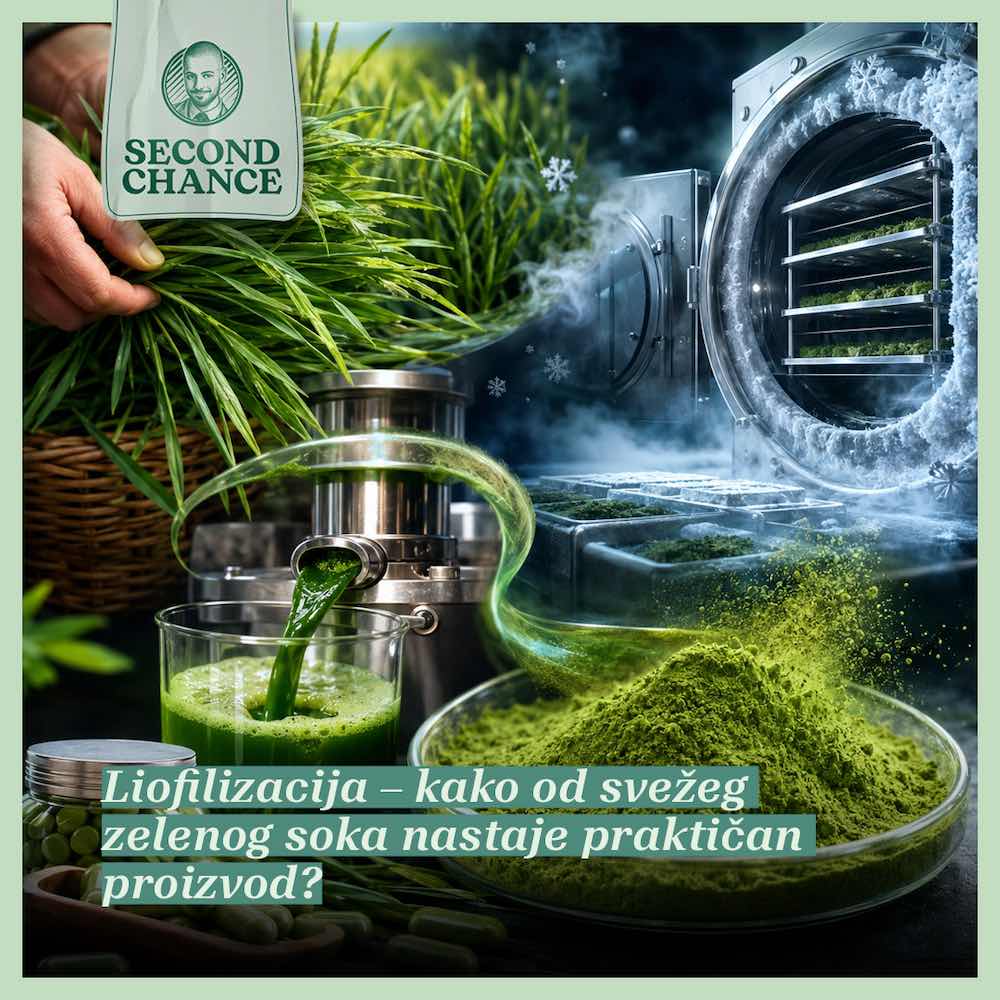
The best and most natural source of chlorophyll is cold-pressed spelt grass juice. In the process of lyophilization or freezing immediately after pressing, all bioactive elements of chlorophyll are preserved.
Key benefits:
- 100% natural
- High concentration of chlorophyll and magnesium
- No additives or artificial colors
- Available in frozen form – maximum freshness
Frequently Asked Questions (FAQ)
How quickly does chlorophyll increase hemoglobin?
The first results can be felt in 7–10 days, but a period of 3-4 weeks of regular intake is required for more significant changes.
Is it safe for pregnant women and children?
In moderate amounts and in the form of natural juice – yes. Consultation with a professional is always advised.
What is the difference between chlorophyll and chlorophyllin?
Chlorophyllin is a water-soluble form of chlorophyll, it is more stable and often used in supplements, but spelt juice contains the original, natural form of chlorophyll with additional phytonutrients.
Natural blood infusion
Chlorophyll is much more than a plant in powder. It is a molecule of life, a natural support to the body in the fight against fatigue, anemia, and weak immunity. Due to its affinity with hemoglobin, it represents an extremely effective dietary supplement for all who want to strengthen their blood and overall health.
If you are looking for a natural, powerful, and proven way to raise your hemoglobin levels – the answer is in the green spelt grass.
ORDER SPELT JUICE – click here
Cold-pressed, rich in chlorophyll, frozen for maximum freshness. Ideal daily support for your blood and energy.