


Pregnancy and anemia: safe, natural supplementation

Pregnancy is a period in which a woman’s body adapts to one of the most demanding roles in life. During those months, significant hormonal and physiological changes occur, and the body’s needs for nutrients increase. One of the most common challenges in this period is anemia, a condition that can affect energy levels, overall resilience, and a pregnant woman’s day-to-day functioning.
Anemia in pregnancy most often occurs due to increased iron requirements. As blood volume increases, the body must produce more hemoglobin to provide enough oxygen for both mother and baby. When these needs are not fully met, symptoms such as fatigue, weakness, dizziness, and paleness may occur. For this reason, anemia is sometimes not recognized immediately, as these signs are often attributed to the “normal” course of pregnancy.
It is important to understand that proper supplementation during pregnancy does not mean only adding iron. The process of blood formation relies on multiple nutrients that work together. Most often, the focus is on combining iron with vitamins and minerals that improve its absorption, such as B-complex vitamins and vitamin C. Looking at the bigger picture, the goal is to support the entire system, not just correct a single parameter in the blood test.
For many women, synthetic iron supplements are necessary and very effective, but they can also cause certain side effects, such as nausea, constipation, or stomach discomfort. That is why the question often arises of how to additionally support the body in a natural and safe way, especially in milder forms of anemia or for preventive purposes.
Nutrition during pregnancy plays a key role in maintaining healthy blood values. In particular, it is recommended to consume foods that naturally contain minerals and bioactive compounds, as they contribute to better absorption and easier digestion. In this context, the following are often highlighted:
- leafy green vegetables and foods rich in chlorophyll
- whole grains and natural plant-based sources of minerals
- foods that do not burden the digestive system
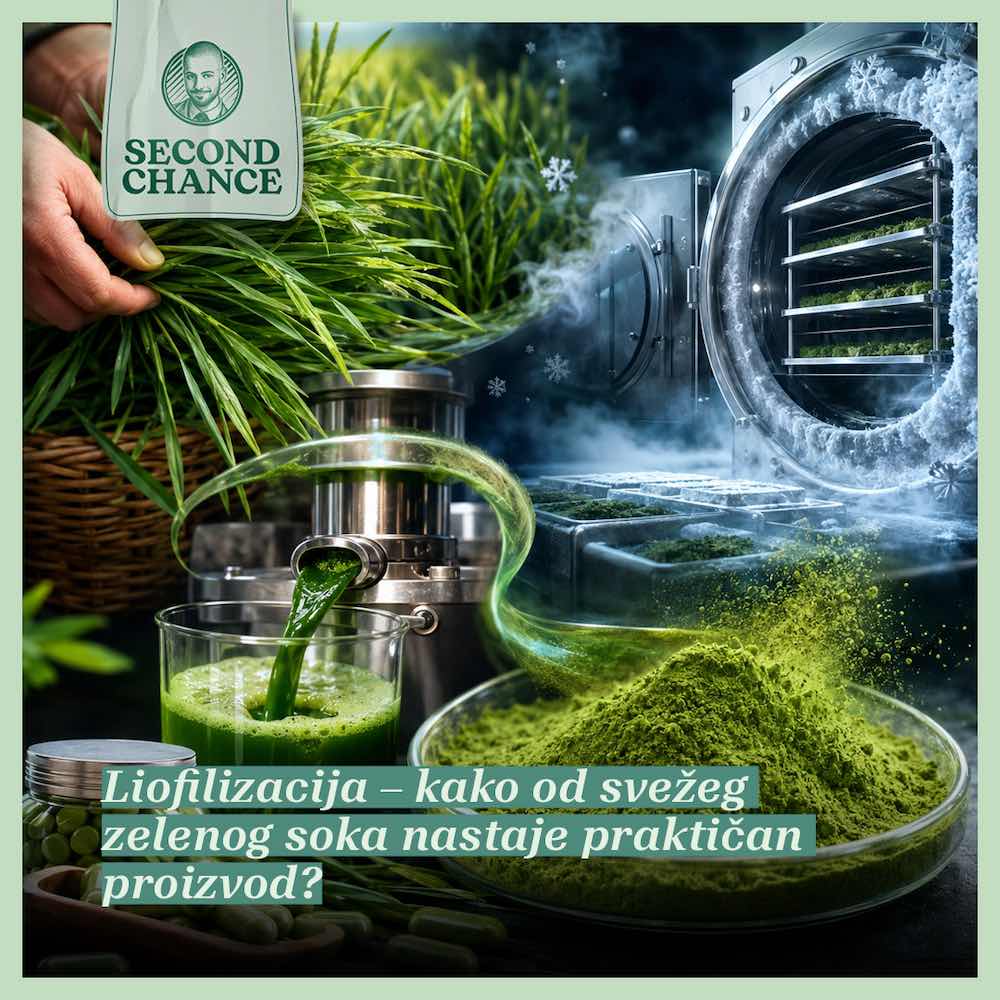
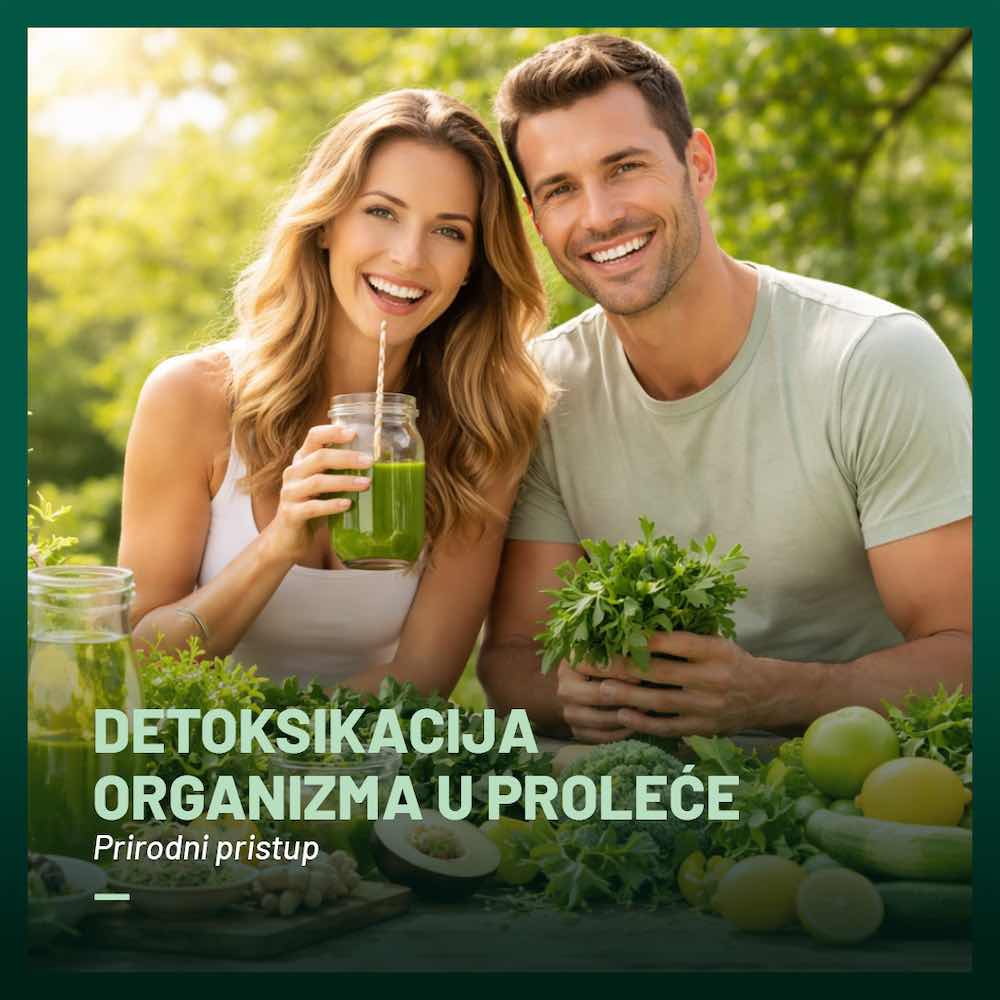
One natural product that is often mentioned in this context is young green spelt juice. Spelt is an ancient grain, known for its rich and balanced nutritional profile. In the form of green juice, it contains chlorophyll, natural minerals, and enzymes that participate in the body’s regeneration processes. Chlorophyll is particularly interesting because its structure is similar to hemoglobin, which is why it is traditionally associated with supporting healthy blood values and better tissue oxygenation.
It is important to emphasize that spelt juice is not a medicine nor a substitute for therapy prescribed by a doctor. Its role is to provide additional nutritional support, as part of a high-quality diet, to a body with increased needs. For pregnant women seeking a gentle, natural approach, it may be one option, but only after prior consultation with a healthcare professional.
Safety during pregnancy must always come first. Any supplementation, including natural supplementation, should be carefully selected and individually tailored. Recommendations vary from woman to woman, depending on laboratory results, overall health status, and the stage of pregnancy.
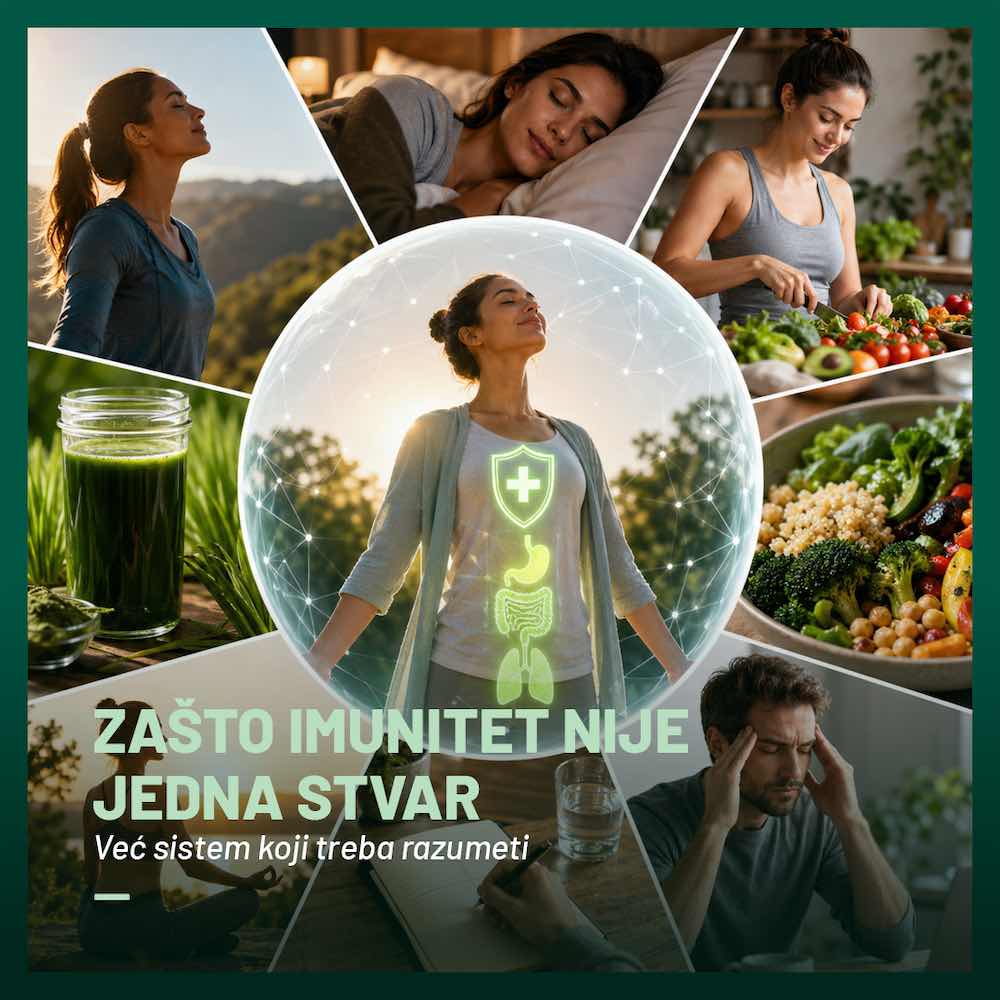
In addition to diet and supplementation, other factors that affect blood values and immunity should not be overlooked. Adequate sleep, regular rest, and stress reduction play an important role in the body’s regeneration and maintaining balance during pregnancy.
Finally, it is important to note that anemia in pregnancy is common, but in most cases it is successfully managed. Regular check-ups, thoughtful supplementation, and a holistic approach to health enable a pregnant woman to maintain energy and vitality. Spelt juice, as a natural source of chlorophyll and minerals, can have its place in this process—as part of a carefully designed and safe plan to support the health of mother and baby.