


Hydroponics: Why Controlled Cultivation Has Become the Quality Standard

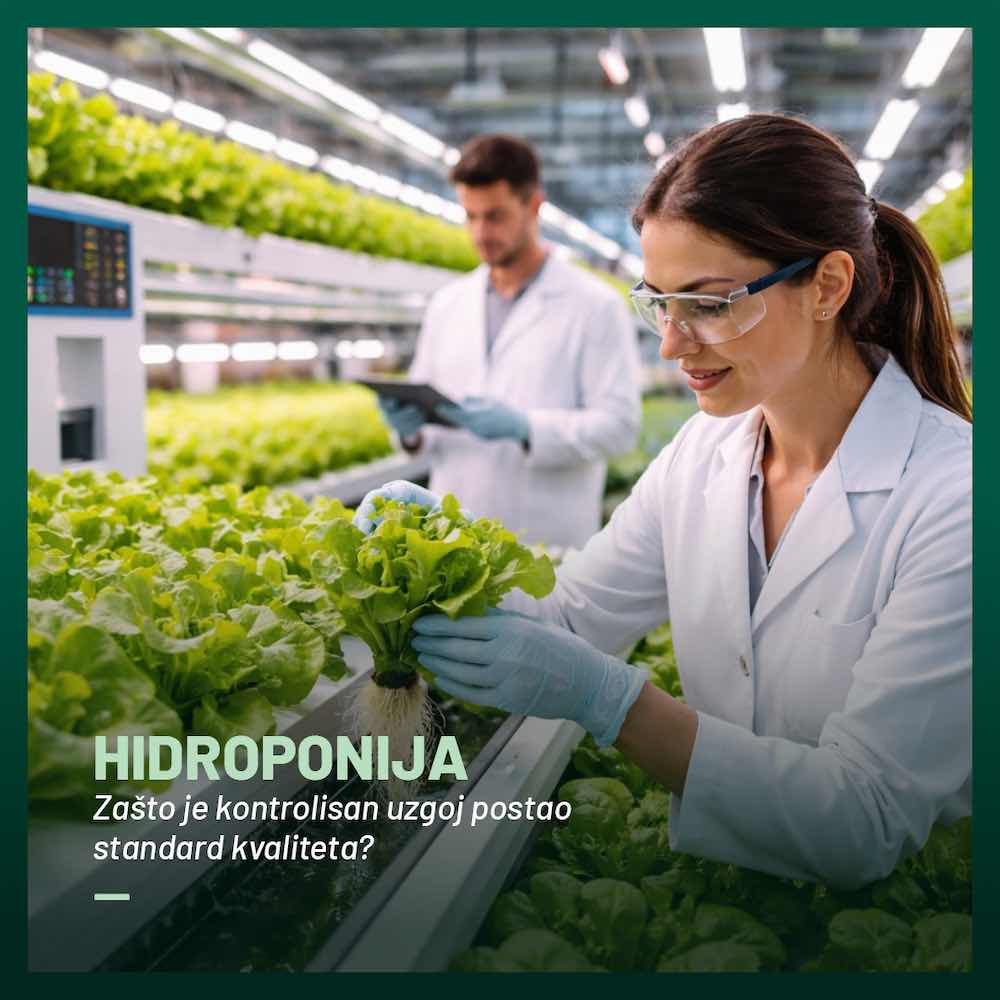
In the previous text, we discussed how food quality has changed—and why what we eat today is no longer the same as it once was.
One of the key reasons for this is the way food is grown.
Today, it is no longer enough for a plant to simply grow.
It matters where it grows, under what conditions, and under what influences.
And that brings us to the question: “Can we have complete control over food cultivation at all?”
The Problem with Modern Cultivation
Modern agriculture faces numerous challenges.
Soil is often of unknown origin or depleted by years of exploitation. Even when it appears to be of high quality, its true composition is not always visible.
Furthermore, plants grown outdoors are exposed to external influences—air, precipitation, and environmental particles.
And we know that these factors are not negligible today.
According to the World Health Organization, most people breathe air that is not completely clean. This same air affects the plants we later consume.
This is why the question is increasingly being asked: “How can we ensure stable and controlled food quality?”
What Exactly Is Hydroponics?
Hydroponics is a method of growing plants without the use of traditional soil.
Instead, plants grow in a controlled environment where all conditions are precisely regulated—from water and nutrients to light and temperature.
This means the plant receives exactly what it needs, at the right time and in the optimal amount.
There are no unknown factors. There is no coincidence.
Control as the Key to Quality
The greatest advantage of hydroponics is not just the absence of soil, but the level of control this system allows.
In such conditions:
- contact with soil of suspicious origin is avoided
- the impact of external pollution is reduced
- stable plant quality is ensured
In other words, production no longer depends on external conditions, but on a system that is under complete supervision.
This is a significant difference compared to traditional cultivation.
The Role of Water and Seeds
In a hydroponic system, every element plays an important role.
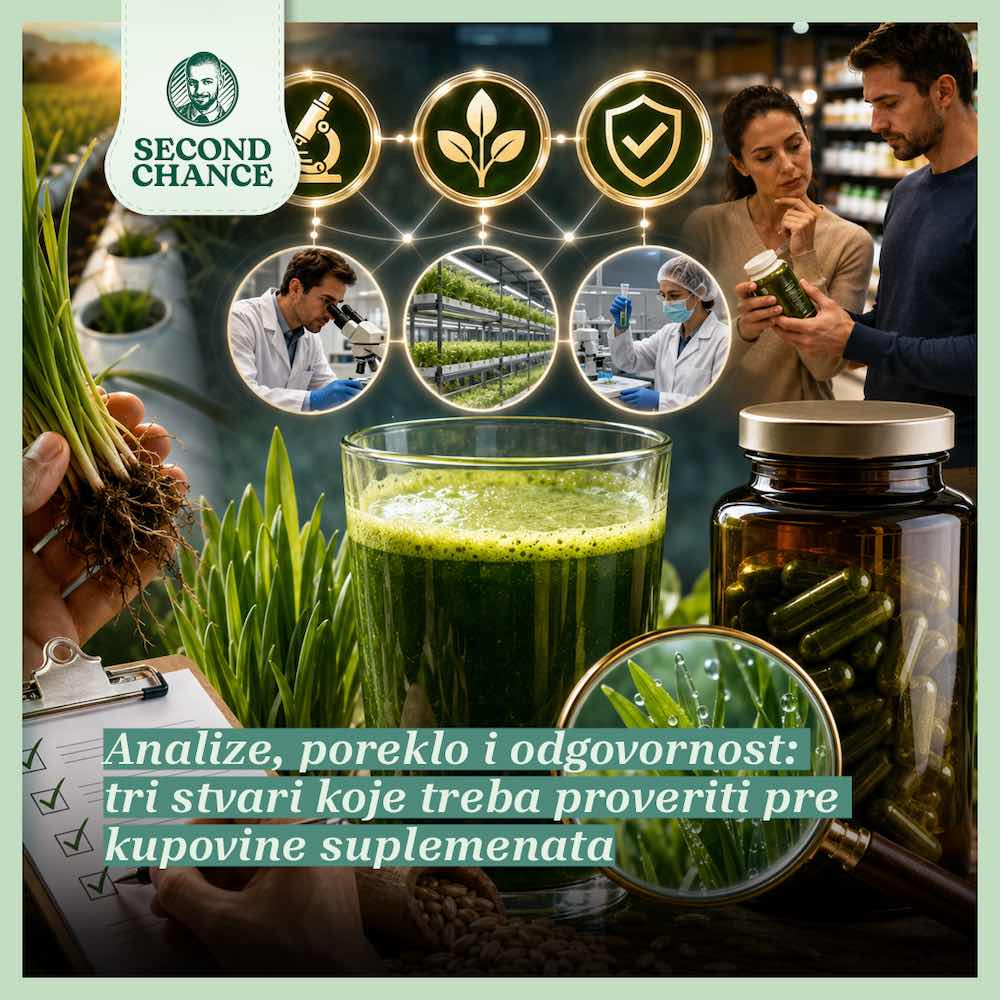
The water used must be clean and controlled, as it directly affects the plant’s development. In professional systems, water from specially prepared sources is used to ensure maximum purity.
Equally important is the choice of seeds.
High-quality, verified seeds are the foundation of the entire process. Without them, even the best system cannot produce optimal results.
Why Is This Important for the End User?
Ultimately, it all comes down to one question: what are we actually putting into our bodies?
When the cultivation process is controlled, we have greater confidence in the product’s quality.
This means not only better nutritional value but also greater reliability.
In an era of increasing unknown factors in food production, control becomes essential.
Today, food quality does not just depend on how it looks—but on how it was produced.
Hydroponics represents the answer to the challenges of modern cultivation, as it enables what is most important today: control, stability, and reliability.
In a world where less is left to nature and more to external influences, perhaps controlled cultivation is exactly what brings us back—to quality.