


Antibiotics – when do they help, and when don’t they?

Antibiotics are one of the greatest achievements of modern medicine. Since their discovery, they have saved millions of lives and significantly changed the course of treating serious infections. Thanks to them, many diseases that were once fatal have become curable. However, despite their immense importance, antibiotics are often used inappropriately today, which can cause more harm than good.
Understanding when antibiotics are truly needed—and when they are not—is crucial for protecting the health of the individual as well as the wider community.
When are antibiotics justified?
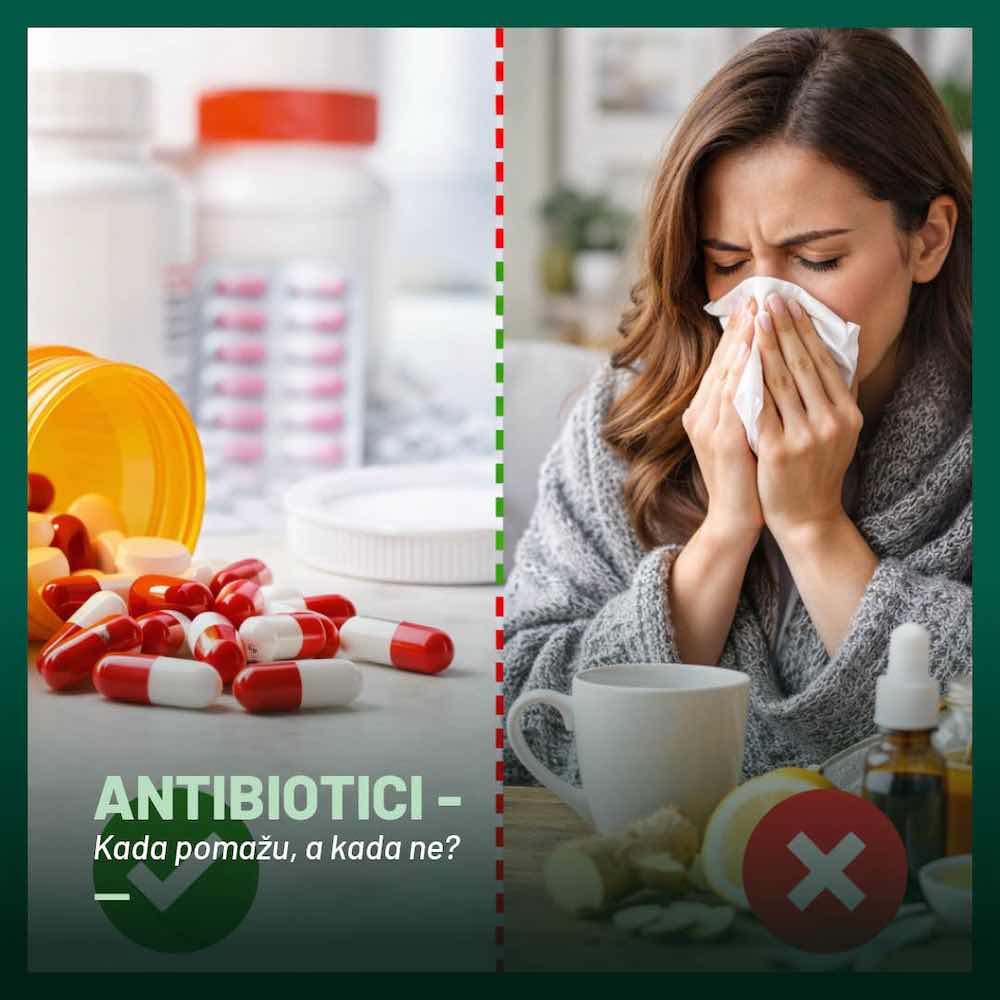
Antibiotics work exclusively against bacterial infections. Their use makes sense only when the cause of the illness is a bacterium, not a virus or another factor. They are most commonly prescribed for:
- bacterial pneumonia
- strep throat
- urinary tract infections
- certain skin and systemic infections
It is important to emphasize that antibiotics must always be prescribed by a doctor, based on the clinical picture, laboratory findings, and experience. Taking antibiotics on your own initiative, “just in case,” poses a serious health risk.
Another common mistake is stopping treatment too early, as soon as there is subjective improvement. Such behavior can allow bacteria to survive, become more resistant, and later cause a more severe and longer-lasting infection.
When are antibiotics not the solution?
For viral infections antibiotics have no effect at all. This includes:
- the common cold
- the flu
- most cases of bronchitis
- viral throat and sinus infections
In these situations, the body does not need an antibiotic, but time and adequate support for the immune system. Taking antibiotics for viral infections does not shorten the illness, does not prevent complications, and does not speed up recovery—on the contrary, it can further weaken the body.
Consequences of antibiotic misuse
One of the greatest global health threats today is antibiotic resistance. This is a condition in which bacteria become resistant to antibiotics, meaning treatments that were previously effective no longer produce results.
In addition, antibiotics have a strong impact on the gut microbiota. They destroy not only “bad” bacteria, but also beneficial ones that are essential for proper immune and digestive function. The consequences may include:
- weakened immunity
- digestive problems
- increased susceptibility to infections
- development of Candida infections
- chronic fatigue and bodily imbalance
A healthy microbiome is the foundation of a strong immune system, and disrupting it often has long-term consequences.
Natural prevention – how to strengthen immunity?
Instead of relying on antibiotics as the first solution, it is far more effective to strengthen the immune system preventively. A strong immune system is the best protection against infections, especially during the winter months.
Some of the key natural strategies include:
- Spelt juice – rich in chlorophyll, vitamins, and minerals; supports blood cleansing, strengthens the immune system, and improves the body’s regeneration
- Fermented foods and probiotics – sauerkraut, kefir, and yogurt help restore gut flora and strengthen natural defenses
- Herbal teas – ginger, thyme, and sage have mild antiseptic and soothing effects
- Vitamin D and omega-3 fatty acids – especially important during periods of reduced sunlight
- Quality sleep and stress reduction – key factors for hormonal balance and the body’s resilience
Antibiotics are a powerful and valuable weapon in the fight against bacterial infections, but only if they are used responsibly and thoughtfully. Their inappropriate use can endanger both the individual and future generations.
For viral infections and everyday prevention, natural support, proper nutrition, and healthy habits remain the best ally. Regularly strengthening immunity, with the help of natural foods such as spelt juice, can significantly reduce the need for antibiotics and help the body remain strong, balanced, and resilient.