

Estrogen and the gut

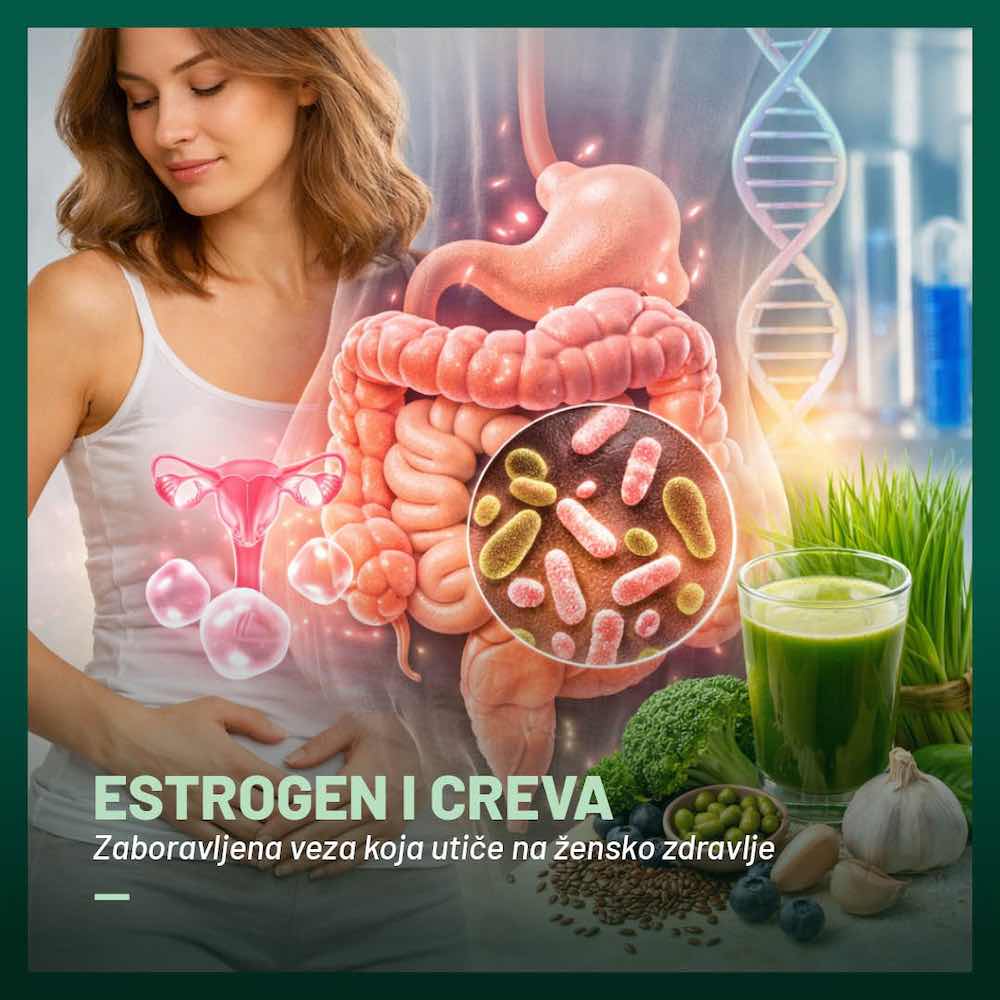
The overlooked connection that affects women’s health
When we talk about estrogen, we most often associate it with reproductive health, the menstrual cycle, fertility, and menopause. However, one of the most important—and often overlooked—connections is the link between estrogen and the gut.
Modern research increasingly indicates that the health of the gut microbiome directly affects a woman’s hormonal balance. This connection is so significant that it even has a name: estrobolome.
What is the estrobolome?
The estrobolome is a group of bacteria in the gut that participate in estrogen metabolism. After the liver processes estrogen, it is excreted into the intestines via bile. This is where a key moment occurs—certain bacteria can reactivate it and return it to circulation.
If the gut microbiome is balanced, excess estrogen is efficiently eliminated from the body. However, when there is an imbalance, it can lead to:
- excessive reabsorption of estrogen
- hormonal imbalance
- more pronounced PMS symptoms
- more severe perimenopause symptoms
Scientific studies indicate that disruption of the gut microbiome may be associated with conditions such as endometriosis, polycystic ovary syndrome (PCOS), and estrogen-dependent tissue changes.
How does the gut affect hormones?
The gut is not only an organ for digestion. It is an active regulator of the immune system, inflammatory processes, and hormone metabolism.
When the gut microbiome is disrupted—due to stress, poor diet, antibiotics, or chronic inflammation—levels of the enzyme beta-glucuronidase increase. This enzyme can “unbind” estrogen that the body tried to eliminate, sending it back into the bloodstream.
The result may be so-called estrogen dominance—a condition in which estrogen levels are not necessarily extremely high, but are inadequately balanced in relation to other hormones, especially progesterone.
Symptoms may include:
- bloating and fluid retention
- painful and heavy periods
- mood changes
- breast tenderness
- chronic fatigue
Inflammation, fiber, and hormonal balance
One of the key factors in regulating estrogen is fiber intake. A diet rich in plant fiber helps bind excess estrogen in the intestines and eliminate it from the body. At the same time, fiber feeds beneficial bacteria that maintain a healthy estrobolome—the gut microbiome responsible for proper estrogen processing.
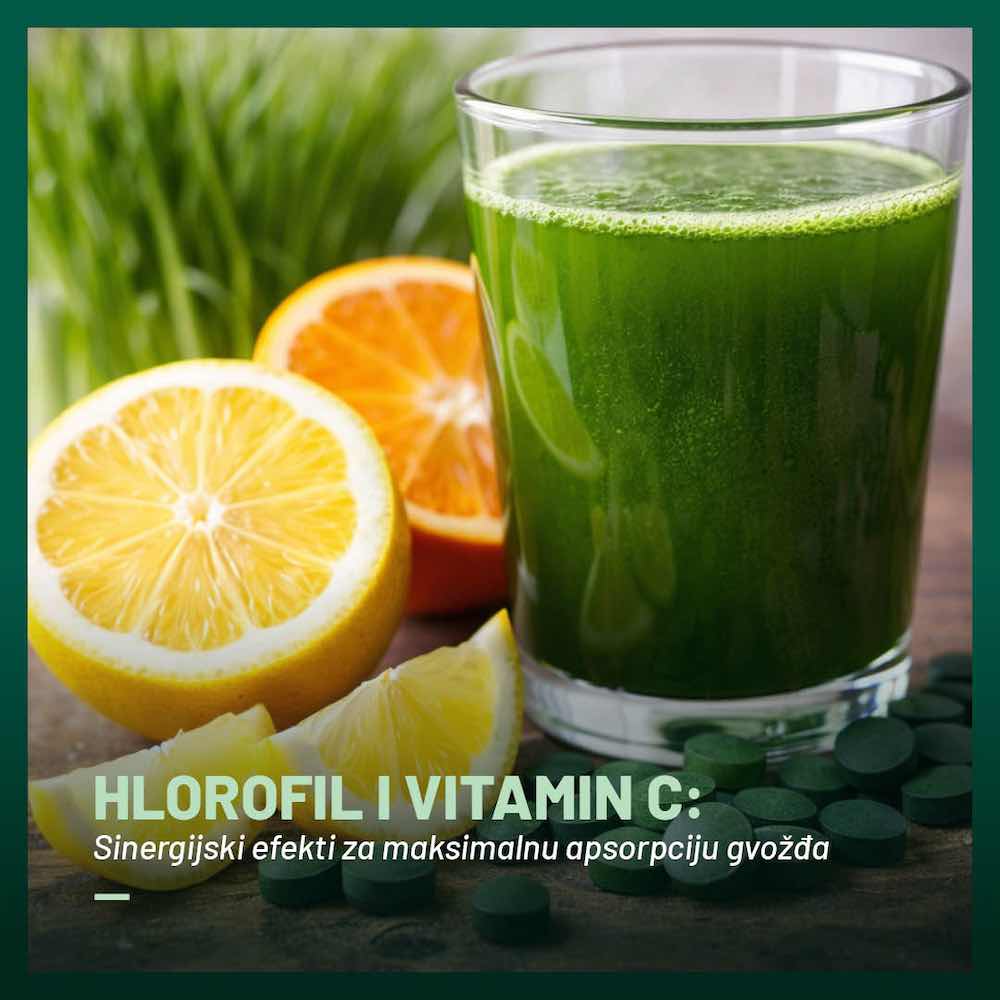
In addition to fiber, antioxidants and chlorophyll also play an important role. Young green plants, such as spelt in its early growth stage, are naturally rich in chlorophyll, vitamins, and minerals that support liver and gut function—two key systems in hormone metabolism.
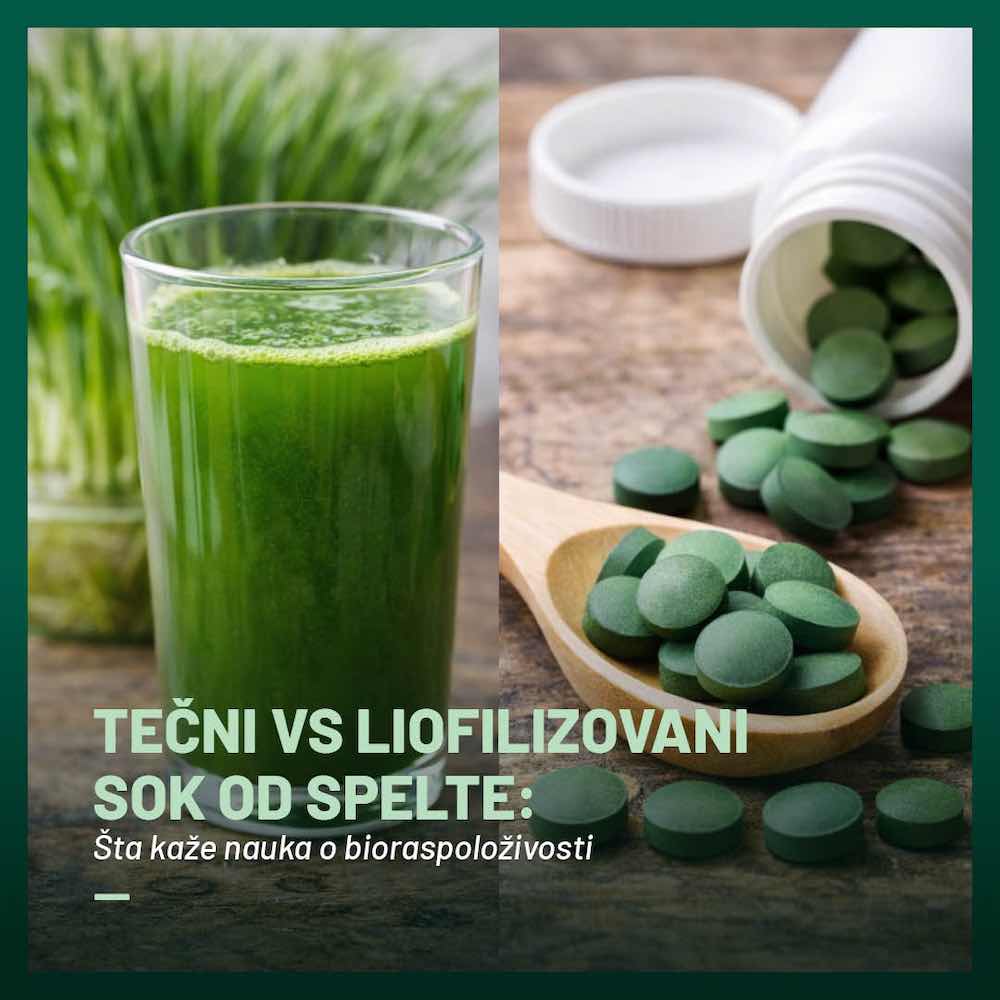
Spelt green juice, obtained by pressing young leaves, is a concentrated source of these bioactive compounds. Thanks to the combination of chlorophyll, micronutrients, and plant enzymes, it can be a beneficial support for the body during periods of hormonal fluctuations, especially when the goal is to maintain balance and reduce inflammatory processes.
That is why it is increasingly said that hormonal balance does not begin in the ovaries—but in the gut.
Why is this connection important?
A woman’s body functions in cycles, and hormones are sensitive to external influences. When the digestive system is out of balance, the consequences are not seen only in digestion, but also in the skin, mood, cycle, and energy levels.
Caring for the gut microbiome through a varied plant-based diet, reducing processed foods and sugar, managing stress, and supporting the liver can have a direct impact on hormonal balance.
Estrogen and the gut are in constant dialogue—when this relationship is balanced, the body functions harmoniously; when it is not, symptoms appear on multiple levels. That is why women’s health cannot be viewed in isolation through hormones alone, but through the balance of the gut microbiome, diet, inflammation, and stress.
Because, often, true hormonal balance begins in the gut.