



Detoxification

Body detoxification is the process ofcleansing the body of toxins and harmful substances accumulated due to a modern lifestyle. Our body already possesses its own mechanisms for eliminating toxins—primarily through the liver, kidneys, skin, lungs, and digestive system. However, due to the fast pace of life, pollution, and an unhealthy diet, these mechanisms can become overwhelmed. Natural detox involves adopting healthy habits to support these natural processes and help the body regain its balance. The result of a successful detox is improved energy levels, a strengthened immune system, better concentration, clearer skin, and an overall greater sense of vitality.
What is detoxification and why is it important
Body Detoxification is a natural process of removing toxins—chemicals, heavy metals, pollutants, and other harmful substances—that accumulate in the body over time. The accumulation of toxins occurs due to an unhealthy diet (additives, excessive sugar, processed food), a polluted environment (smog, pesticides), stress, insufficient sleep, and other factors of modern life. When the body is overloaded with toxins, its ability to function optimally can decline—this is when various warning signals appear (which we will discuss below).
The goal of detox is not acrash diet or an extreme measure, but to establish balance and support the body so it can more efficientlyrid itself of toxins in the long run. The liver, kidneys, intestines, and skin are constantly working to filter and eliminate harmful substances, but we can help them with proper nutrition, by introducing spelt juice, hydration, and other habits. In this way, we reduce the overall toxic load on the body and prevent excess toxins from harming health. Regular detoxification naturally contributes to a stronger immune system, more energy, better hormonal balance, and a healthier skin appearance. In short—it helps us feel and look better because the body is working "under less strain."
The most common signs your body needs a detox
How to recognize that your body may needa natural cleanse from toxins? Here are some symptoms indicating that the body is struggling with accumulated harmful substances:
- Chronic fatigue and low energy: If you feel constantly exhausted, even after a good night’s sleep, it is possible that your liver and other organs are overloaded with toxins. A body that spends energy “fighting” toxins has less energy for daily activities.
- Digestive issues: Frequent bloating, constipation, heartburn, or irregular bowel movements may indicate that the digestive system is struggling to process everything we consume. Toxins in the intestines disrupt the balance of good bacteria and slow down digestion, leading to the retention of harmful substances in the body.
- Frequent headaches: Persistent or unexplained headaches can be a consequence of excessive exposure to toxins. Accumulated toxins (such as heavy metals or chemicals) can cause inflammation and affect the nervous system, manifesting as headaches. Dehydration also worsens headaches and is often a side effect of toxic overload.
- Skin problems: The skin is our largest detoxification organ—through sweating and the secretion of sebaceous glands, the body attempts to expel waste. If you notice acne, rashes, eczema, or a grayish, lifeless complexion, it is possible that the body is struggling to eliminate toxins through the skin. Unclear skin and frequent inflammation can be a signal for internal cleansing.
- Unpleasant breath and body odor: Persistent bad breath (halitosis) or increased body odor can also indicate a need for detoxification. When the liver and intestines are overloaded, metabolites and toxins can cause bad breath despite good hygiene. Similarly, sweat may take on a stronger odor because it contains more waste products.
- Weak immunity and frequent infections: A body full of toxins has a weakened immune response. If you frequently “catch” a cold or virus, or recover slowly from illness, it is possible that toxins are interfering with normal immune function. Detoxification relieves the immune system so it can fight microorganisms more effectively.
- Difficulty maintaining a healthy weight: Accumulated toxins (especially from chemicals and plastics) can act as endocrine disruptors—disturbing the hormones responsible for metabolism and appetite. Because of this, some people find it harder to lose weight despite dieting. Additionally, the body can store toxins in fat cells, so stubborn fat can partially be a protective mechanism of the body to trap toxins. By removing toxins, metabolism accelerates and weight loss becomes easier.
How toxins affect health
Toxins are all around us—in food (pesticides, additives), water (heavy metals, chemicals), air (smog, cigarette smoke), and even in products we use daily (cosmetics, plastics). Our body can handle a certain amount of these harmful substances (the so-called toxic load), but when there is too much, numerous health issues can arise. Here is what happens when the body is flooded with toxins:
- Chronic inflammation and cellular damage: Many toxins act as oxidants—producingfree radicals which damage our cells. Over time, this damage contributes to accelerated aging and the development of chronic conditions such as heart disease, dementia, and even certain types of cancer. Furthermore, constant exposure to toxins can trigger low-grade but persistent inflammation in the body, which serves as a foundation for many disorders (diabetes, arthritis, allergies, etc.). Antioxidants from healthy food are key to neutralizing free radicals and reducing oxidative stress.
- Hormonal imbalance: Certain chemicals from the environment (e.g., bisphenols from plastic, phthalates, pesticides) act as endocrine disruptors. This means they mimic or block our own hormones, disrupting the delicate hormonal balance. Consequences can include irregular cycles, thyroid problems, obesity, and even fertility difficulties. Scientific research has confirmed that many pollutants have negative effects on the reproductive and endocrine systems, and some are carcinogenic. In other words, toxins can have long-term effects on genes and cells, increasing the risk of tumorous changes.
- Weakened immune system: Chronic toxic overload exhausts the immune system. The immune system is constantly “busy” reacting to the presence of foreign substances, making it less effective at fighting actual pathogens. Toxins can disrupt the creation and functioning of immune cells, making the body more susceptible to infections. Studies in the field of functional medicine link high levels of toxins in the body to more frequent autoimmune diseases and allergies. Detoxification reduces this load, allowing the immune system to “rest” and grow stronger.
- Neurological problems and fatigue: Heavy metals such as mercury, lead, and cadmium have a particularly harmful effect on the nervous system. They can accumulate in the brain and nerves, causing damage that leads to problems with memory, concentration, and even neurodegenerative diseases if exposure lasts for years. Many cases of chronic fatigue, fibromyalgia, or neuropathy are associated with the presence of toxic metals in tissues. People with high toxin levels often experience mental fog (so-called brain fog), irritability, and a depressed mood. Additionally, toxins can interfere with energy production in cells, which explains constant fatigue.
- Liver and kidney overload: The liver is the main “filter” for toxins—every harmful compound we ingest (through food, drink, or skin) passes through the liver to be neutralized. Too many toxins can lead to an overload of liver enzymes, fatty liver, and damage to its cells. Similarly, the kidneys filter blood day and night and excrete waste through urine; an excess of toxins can eventually contribute to kidney stones or reduced kidney function. When these organs are sluggish, toxins remain in circulation longer and cause damage to other organs. That is why it is important to regularly “rest” them and nourish them with nutrients through a detox regimen.
Toxins can negatively affect almost every system in the body—from hormones and the nervous system to immunity and metabolism. Over time, high levels of toxins contribute to chronic diseases and a general sense of weakness. The good news is that natural detox can significantly reduce this toxic burden. Through proper nutrition, medicinal herbs, and healthy habits (described below), we help the body expel harmful substances, regenerate, and function optimally. This prevents many health problems before they even arise.
Natural methods for detoxifying the body
Detoxification does not have to mean expensive treatments or aggressive fasting. On the contrary, natural detox is most effective when implemented through small, consistent changes in everyday life. Below are ways to cleanse your body naturally —through diet, the use of spelt juice, and the adoption of healthy habits. These methods are simple, safe, and accessible to everyone, and together they provide a powerful effect of regeneration and cleansing the body of toxins.
Spelt and spelt juice—powerful detox allies
When it comes to natural detoxification, one food and its processed form deserve special attention—spelt and itsspelt juice. This ancient grain and the drink made from its young shoots are true elixirs of vitality that can provide the body with an abundance of nutrients and stimulate the body’s cleansing processes. Below we explain in detail why spelt and its green juice are exceptionally useful for detoxification.
Spelt juice—chlorophyll-rich elixir for detox
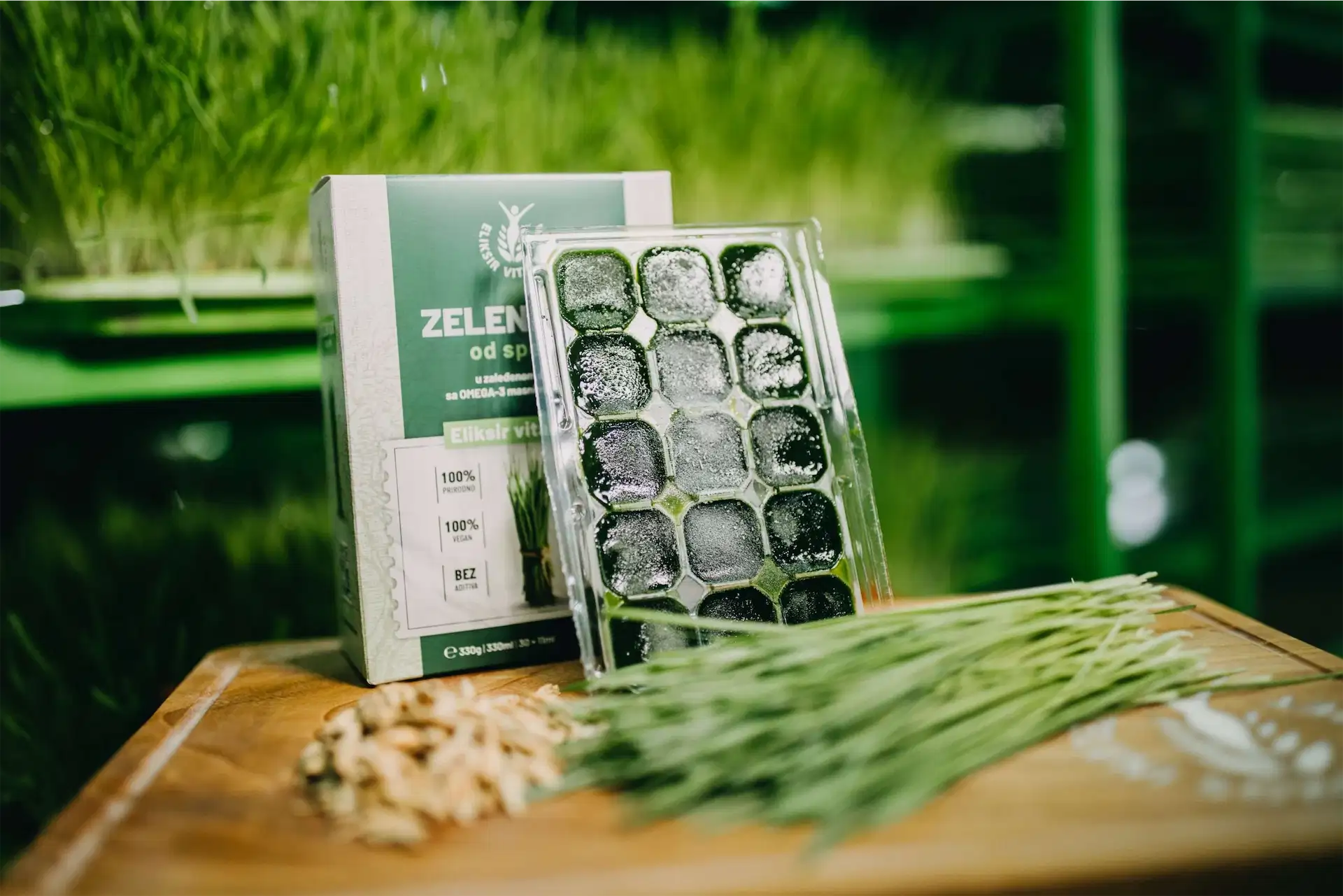
When we talk aboutdetox drinks,spelt juice holds a special place. This emerald-green juice is actually juice from young spelt wheat—it is made by pressing young sprouts and blades of spelt before they have formed ears and grain. Cold pressing fresh green spelt blades yields a concentrated juice full of nutrients. Due to its nutrient density, it is often consumed in small quantities—a so-called shot, usually 30–50 ml, which is enough to provide a full spectrum of beneficial substances.
What makes green spelt juice so special?
- Exceptional nutrient density: Green spelt juice can rightly be called a superfood. A single small glass (about 30 ml) of this drink contains the same amount of vitamins, minerals, enzymes, and antioxidants as a bowl full of diverse vegetables. One glass of juice has as many beneficial substances as 1.5 kg of fresh vegetables! It also boasts some fascinating figures— for example, 100 ml of green spelt juice contains4 times more calcium than the same amount of cow’s milk, and about20 times more iron than spinach. It is also rich in vitamin C (more than an orange) and is a powerful antioxidant. This means that every drop of this juice literally cares for your body: it strengthens bones (calcium), blood and energy (iron, vitamin C), immunity (zinc, selenium), and much more. It also has a negligible number of calories (around 14 kcal per 100 g), which means it does not burden digestion.
- Over 90 minerals and a potent vitamin cocktail: Young spelt draws minerals from rich soil and stores them in its green leaves. Green spelt juice contains more than 90 different minerals and trace elements, including potassium, calcium, sodium, magnesium, zinc, iron, manganese, copper, selenium, and more. This diverse range of minerals supports alkalization and the electrical balance of the blood. Among thevitamins, it is rich in vitamins A, C, E, and K, as well as the complete B group. Vitamin A (beta-carotene) is an important antioxidant and essential for healthy mucous membranes (lungs, intestines), vitamin C promotes detoxification and immunity, vitamin E protects cells from damage, and vitamin K is vital for blood clotting and bone health. The B complex supports the nervous system and metabolism. In essence, this juice acts as a natural multivitamin shot that the body absorbs quickly (because it is in liquid form and the nutrients are readily available).
- Chlorophyll—“liquid oxygen”: The characteristic dark-green color of the juice comes from its high content ofchlorophyll —the green pigment from plants. Chlorophyll is strikingly similar in molecular structure to our hemoglobin in the blood—the only difference is the central atom (magnesium in chlorophyll versus iron in hemoglobin). Thanks to this similarity, chlorophyll is often called the "blood of plants." When we consume chlorophyll through green juice, it helps increase oxygen levels in cells and contributes to blood alkalinity. Some also call it “liquid oxygen”, alluding to chlorophyll's ability to improve tissue oxygenation. Research has shown that a diet rich in chlorophyll can raise hemoglobin levels in people with anemia. In other words, chlorophyll literally renews the blood. In the context of detoxification, this means it helps purifying the blood —it binds to certain toxins and improves oxygen transport, which facilitates metabolism and the expulsion of harmful products for all cells. Chlorophyll also has antioxidant and anti-inflammatory effects.
- Enzymes and “living food”: Green spelt juice is fresh and unheated, which means it retains all of its naturalenzymes. These enzymes (such as catalase, peroxidase, cytochrome oxidase, etc.) help break down toxins, promote digestion, and accelerate cellular metabolism. When you drink this juice, you are actually consuming "living food" full of active biological agents that immediately take action in your body. This is the opposite of most industrial food, which is "dead" (lacking enzymes and vitamins due to processing). Regular consumption of spelt juice can "reset" the digestive tract—improving intestinal flora, speeding up digestion and nutrient assimilation, while simultaneously helping the body expel waste faster. It is no wonder many drink it when they feel tired or heavy—it can truly provide energy boostand a sense of lightness.
- Alkalizing the body: Green spelt juice is one of the most alkaline foods in nature. The pH of freshly squeezed juice ranges from about 7.5 to 8.5, which has a strong effect on neutralizing acidity in the body. We have already mentioned that diseases and inflammation develop more easily in an acidic environment. By consuming this juice, we create an unfavorable environment for pathogens and degenerative processes, and a favorable one for normal cellular functions. Detoxification becomes more efficient because in an alkaline environment, heavy metals and other toxins bind less to tissues, and enzymes work better. This alkaline effect of spelt juice is particularly useful if your diet contains a lot of animal proteins, coffee, or carbonated drinks—it helps establish balance.
- Detoxification of heavy metals: One of the remarkable properties of young spelt juice (and wheatgrass in general) is its ability to assist in eliminatingheavy metals and poisons. In natural medicine, it is traditionally used to cleanse the blood of individuals exposed to heavy metals (such as lead, mercury, cadmium)—whether through the work environment, pollution, or amalgam fillings. Studies have noted that compounds from wheatgrass can bind with metals and help expel them from the body. Chlorophyll and chlorophyllin (its derivative) have been specifically studied for their metal chelation effects. Thus, drinking spelt juice can be natural way to detox from heavy metals, which is very important for overall health and the prevention of neurological damage caused by metals.
- Antioxidant and anticancer effects: Green spelt juice is rich in antioxidants—in addition to vitamins A, C, and E, it contains bioactive polyphenols, flavonoids, and enzymes with antioxidant activity. Together, they protect cells from damage and help the body rid itself of carcinogenic substances. Scientific research suggests that compounds from young wheat juice can neutralize certain toxins and carcinogenic chemicals in the body. Additionally, an improvement in blood counts has been observed in oncology patients who took it during chemotherapy—the number of white blood cells increased and the side effects of therapy were reduced. Of course, this is not a cure for cancer, but it shows how powerfully it acts as support for the body in difficult conditions. Generally, regular consumption of this juice can reduce the level of inflammatory markers in the body and protect DNA from damage by free radicals. Many users report improved blood counts, higher hemoglobin, better immunity, and energy levels after a course of drinking green juice.
- Cell and tissue regeneration: Another fascinating effect of this juice is its support for regeneration. Thanks to the combination of vitamin K, chlorophyll, iron, and amino acids, it stimulates cell renewal —especially blood cells and the intestinal mucosa. Chlorophyll stimulates the production of red blood cells (erythrocytes), which is essential for better tissue blood flow and faster nutrient transport. Vitamins and enzymes accelerate the healing of micro-damage on the intestinal walls, thereby improving absorption. Thus, the body replaces "worn-out" cells with new ones more quickly. Some authors state that this effect slows down the aging process—because the faster cells are renewed, the longer organs retain the functionality of a young organism. It is no coincidence that green wheat juice is often called “the elixir of youth” in wellness circles.
Immunomodulatory effect: In addition to cleansing the body, spelt juice strengthens immunity. The high content of antioxidants, vitamins, and minerals charges the "batteries" of immune cells. White blood cells need good nutrition and an environment without excess toxins to fight infections—and that is exactly what this juice provides. With regular intake, a reduction in the frequency of colds and faster recovery from illness has been observed. Additionally, chlorophyll acts as a natural disinfectant in the blood—tests have shown the antibacterial properties of wheatgrass, even against some stubborn bacteria. Therefore, this drink not only removes harmful substances but also adds beneficial elements – strengthening defenses
Detoxification through Diet
Green detox drink made from fruits and vegetables. The reduction of harmful substances in the body begins with what we consume daily. Proper nutrition is perhaps the most important pillar of natural detoxification. Here's how to help your body cleanse itself through diet:
- Focus on fresh fruits and vegetables: Increase your intake of fresh vegetables and fruits rich in vitamins, minerals, and antioxidants. Antioxidants (such as vitamins C, E, beta-carotene, and selenium) help neutralize free radicals and protect cells from damage caused by toxins. Green leafy vegetables (spinach, kale, Swiss chard), berries, citrus fruits, carrots, and beets are just some of the foods that have a strong detox effect. They nourish the liver and encourage it to cleanse the blood more efficiently.
- Fiber-rich foods: Fiber is indispensable for cleansing the body of toxins. Soluble and insoluble fibers act as a sponge and broom in the intestines—they absorb waste materials and help with regular bowel movements, thereby eliminating toxins from the body. Whole grains (such as spelt, oats, quinoa), legumes, flaxseeds, nuts, fruits, and vegetables provide a sufficient amount of dietary fiber. Additionally, fibers serve as prebiotics —food for good intestinal bacteria (probiotics). Healthy intestinal flora strengthens immunity and prevents the multiplication of harmful microbes, but also participates in neutralizing toxins in the intestines. Therefore, clean intestines are the foundation of a good detox.
- Plant-based proteins: Certain amino acid complexes have been proven to aid in detoxification, particularly by supporting liver enzymes. Include seeds (pumpkin, sunflower, sesame), walnuts, almonds, legumes, and grains like spelt containing quality proteins. Proteins are necessary for the synthesis of glutathione, the main antioxidant in the liver responsible for neutralizing toxins. Plant proteins strain the body less than red meat, making them preferable during a detox period.
- Hydration and detox drinks: Sufficient fluid intake is the alpha and omega of detoxification. Water helps the kidneys filter blood and eliminate harmful substances through urine. Drink at least 6–8 glasses of water daily, evenly throughout the day. Even better, start your morning with a glass of lukewarm water with the juice of half a lemon squeezed in—this simple drink stimulates the liver and intestines as soon as you wake up. In addition to water, detox drinks include herbal teas (e.g., green tea, nettle, or dandelion tea), as well as green juices from vegetables. A smoothie or freshly squeezed juice from cucumber, celery, ginger, parsley, and fruit can be an excellent vitamin bomb that alkalizes the body. Particularly noteworthy is spelt juice (young wheat) as a powerful detoxification elixir, which we will discuss in detail later. It is important to avoid carbonated juices, alcohol, and energy drinks during the detox period, as they dehydrate the body and introduce additional toxins.
- Avoiding processed foods: While introducing beneficial foods, simultaneously reduce or eliminate those that contribute to the toxic load. Sugar, white flour, fast food full of additives, artificial sweeteners, snacks with artificial colors and flavors—all of these bring the body few nutrients and many chemical additives that the liver must process. During detoxification, focus on whole foods: freshly prepared meals from basic ingredients instead of industrial products. Instead of fried food, choose boiled, baked, or raw whenever possible. After just a week of a lighter diet, you will notice more energy and better digestion.
Healthy Habits for Daily Detoxification
Besides diet and herbal preparations, our lifestyle as a whole affects how many toxins are retained in the body. The good news is that some simple habits can significantly contribute to a cleaner and healthier body. Here are the habits worth adopting:
- Drink plenty of water throughout the day: As we have already emphasized, hydration is key. Water literally flushes our cells from the inside. Sufficient fluid intake facilitates the work of the kidneys—they filter blood faster and expel toxins through urine. If you do not like "plain" water, try water infused with fruit (lemon, orange, strawberry) or cucumber and mint leaves—you will get a mildly flavored water without sugar that is easier to drink. The goal is for urine to be light yellow throughout the day—this is a sign of good hydration.
- Sweat regularly (exercise or sauna): Sweating is a natural detox mechanism through the skin. Physical activity that makes you sweat at least a few times a week will help the body expel some toxins through sweat. Whether it is a brisk walk, running, cycling, or aerobics—it is important to get the blood pumping. In addition to eliminating toxins, sweating opens pores, cleanses the skin, and improves circulation. If you have access to a sauna (Finnish or infrared), it is an excellent way to sweat in controlled conditions. Just remember to replenish fluids after sweating and intake electrolytes (natural lemonade with a little honey and a pinch of sea salt is a good choice).
- Proper and deep breathing: Our breathing is another path for eliminating toxins—by exhaling, we release carbon dioxide, but also volatile toxins. However, many of us breathe shallowly. Practicing deep breathing (so-called diaphragmatic breathing) for a few minutes a day helps with better tissue oxygenation and more efficient release of carbon dioxide. Try the 4-7-8 technique: inhale through the nose for a count of 4, hold your breath for a count of 7, and exhale through the mouth for a count of 8. This exercise calms the nervous system and promotes lung detoxification. Also, try to spend time in the fresh air—walking in a park, outside the city, or by a river brings clean oxygen and helps the lungs "air out."
- Quality sleep: While we sleep, our body regenerates. The liver is particularly active at night (between 11 PM and 2 AM, according to traditional Chinese medicine) in the detoxification process. Deep sleep allows for optimal production of hormones like melatonin and growth hormone, which aid in cell repair. Some studies suggest that during sleep, the brain more actively removes harmful metabolites—the so-called glymphatic system of the brain is "flushed" with cerebrospinal fluid, removing toxins from the brain. Therefore, do not underestimate the power of sleep for detox! Try to go to bed before midnight and sleep for 7-8 hours. Turn off screens an hour before bed and relax with a warm bath or chamomile tea—better quality sleep means better quality detox.
- Reduce stress: Chronic stress itself creates chaos in the body—it raises stress hormones (cortisol, adrenaline) which can interfere with digestion, slow down detoxification, and increase inflammatory processes. Furthermore, under stress, we often reach for unhealthy food, alcohol, or cigarettes, thereby introducing additional toxins. As part of detoxification, pay attention to mental detox as well. Introduce relaxation techniques such as meditation, yoga, walking in nature, or keeping a gratitude journal. Even 15 minutes a day of a calm routine can significantly lower stress levels. A calmer body and mind will perform all functions better, including the release of toxins.
- Eliminate bad habits (as much as possible): This is an ideal opportunity to reduce or quit smoking—tobacco smoke introduces hundreds of toxic substances, heavy metals, and tar into the lungs. Also, limit alcohol intake to a minimum; alcohol places the greatest strain on the liver. During detoxification, try to eliminate alcohol completely, at least for a while, to allow the liver to rest and regenerate. Replace coffee with green tea or matcha, and replace carbonated juices with citrus-infused water. The point is that reduce the external influx of toxins as much as possible, while you focus on eliminating existing ones.
- Be physically active daily: You do not have to go to the gym every day, but try to have some form of activity—climbing stairs, stretching, a 30-minute walk, or gardening. Physical activity accelerates circulation and metabolism, which directly contributes to faster "cleansing" of the body. Blood passes through the kidneys and liver faster when we move, and the lymphatic system (which does not have its own pump) is activated by muscle contraction, allowing lymph to be filtered more efficiently. Therefore, movement is detox! Find activities that you enjoy—dancing in the living room also counts—and make them part of your routine.
- Dry brushing and massage: The skin is a detoxification organ, and we can help it from the outside. Dry brushing the skin with a soft brush stimulates circulation and lymphatic drainage. Movements are made toward the heart (from the feet upward, from the hands toward the shoulders) and help remove dead cells, open pores, and move lymph. Afterward, take a shower alternating between warm and cold water—alternating temperature stimulation further accelerates circulation. Also, occasionally treat yourself to a massage (or massage yourself) to relax muscles and improve blood and lymph flow. These spa methods are not a luxury, but useful techniques in the service of detox and relaxation.
Introducing these habits gradually, step by step, will bring lasting benefits to your health. You do not have to apply them all at once—choose two or three that are most feasible for you immediately (e.g., drinking water, a 20-minute walk daily, nettle tea instead of carbonated juice) and persist for a few weeks. You will already notice a difference. Then add the next habit. Detoxification is a process, not an event – by building these healthy routines, you will ensure that your body continuously cleanses itself and that toxins do not accumulate within it.
The Path to Vitality Through Natural Detoxification
Body Detoxification naturally is not a one-time event, but an investment in long-term health. By understanding the importance of detox, recognizing the body's signals, and applying the described methods – from a diet rich in antioxidants and fiber, through medicinal herbs, to powerful elixirs like spelt juice —we can significantly improve our well-being. The point is in balance and consistency: small steps toward big changes.
To start, choose a few habits and foods to introduce this very week. Perhaps it will be a glass of lukewarm water with lemon every morning, an extra portion of vegetables with lunch, or a 20-minute walk after work instead of watching TV. You can also try spelt juice from our offer as a practical detox drink that will facilitate your path to a healthier life. It is important to listen to your body and enjoy the process—because detoxification is not a punishment, but a gift to yourself.
Remember, our body is wonderfully designed to self-renew and cleanse, only if we provide it with the right conditions. Natural detoxification does exactly that – it creates conditions in which our cells can shine in full glory. When we remove “toxic waste” from the body and nourish it with quality fuel, we gain more energy, better mood, stronger immunity, and slower aging. This is the elixir of vitality that we all strive for.
Armed with the knowledge from this text, you can take the first step today. Your body will be grateful—it will respond with increased vitality, freshness, and health.
Natural Body Detoxification is the path to a life filled with energy and balance. Embark on that path and discover a new, more radiant version of yourself!