



Energy drinks: quick energy that often comes at a cost

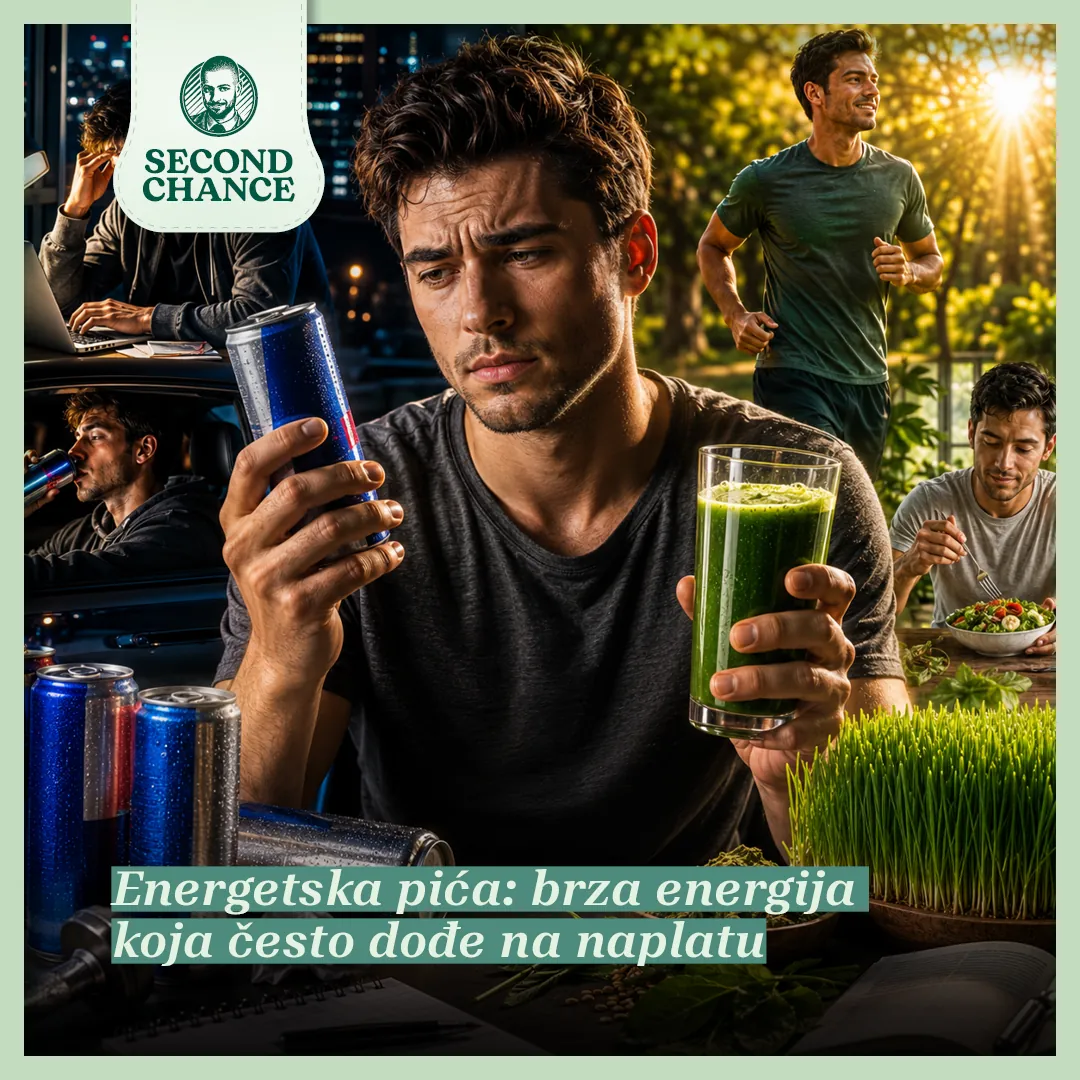
Are you tired, sleep-deprived, or do you still have a few more hours of work ahead of you? For many people, the answer is simple—an energy drink.
In recent years, energy drinks have become part of everyday life for millions of people. They are used during work, studying, driving, or training, and the reason is always the same—the need for extra energy.
However, the real question is not whether energy drinks work. They do.
The question is—what happens after that?
Energy or stimulation?
One of the most interesting things about energy drinks is that they do not actually create new energy.
When we drink an energy drink, the body does not get additional rest, sleep, or recovery. Instead, ingredients such as caffeine temporarily affect the nervous system and create a feeling of alertness.
In other words, we often do not get new energy, but temporarily suppress the signals of fatigue that the body sends us.
That is why many people, after the initial surge of energy, face a sudden drop in concentration and even greater fatigue.
Why are they so popular?
Energy drinks fit perfectly into the modern lifestyle.
We live fast, often sleep less than we should, and expect ourselves to be productive throughout the entire day.
In such an environment, it is easy to reach for a solution that promises an instant effect.
However, the body does not experience fatigue as a problem to be hidden, but as a message that it is missing something.
What happens to sleep?
One consequence that is rarely considered is the impact on sleep quality.
Many people drink energy drinks in the afternoon or evening, without thinking that the effects of caffeine can last much longer than they expect.
The result can be:
- difficulty falling asleep
- lighter sleep
- more frequent waking during the night
- feeling tired the next morning
Then a vicious circle forms—fatigue leads to an energy drink, and the energy drink contributes to new fatigue.
What is the body really missing?
In a large number of cases, the cause of an energy crash has nothing to do with a lack of caffeine.
Much more often, the reason lies in:
- lack of sleep
- stress
- poor dietary habits
- lack of rest
- being overwhelmed by daily obligations
That is why experts are increasingly talking about sustainable energy—energy that comes from everyday habits, not from short-term stimulation.
Is there a more natural way to support energy?
One of the more natural ways to support energy is barley juice.
Unlike energy drinks, its goal is not to temporarily stimulate the body, but to provide it with vitamins, minerals, chlorophyll, and other nutrients that take part in the body’s daily functioning.
Barley juice is especially known for naturally containing chlorophyll and numerous nutrients, which is why many people choose it as part of their daily routine when they want longer-term support for energy and vitality, without sudden ups and downs.
Energy drinks can help when we need short-term alertness, but they cannot replace sleep, rest, and a quality diet.
That is why it is important to distinguish stimulation from real energy. While one lasts a few hours, the other is built through daily habits and quality support for the body.
Perhaps that is why next time it is worth asking: do I really need another energy drink, or does my body actually need something completely different?